Stop Scrolling Right Now!!
Famously, Stephen King declared himself “a member of a fairly select group: the final handful of American novelists who learned to read and write before they learned to eat a daily helping of video bullshit.” I’m a little younger than the King; I loved my cartoons as a child and often heard the aphorism “TV will make your brain rot” when I was little.
Now, much older and wiser, with mindful TV habits, my creativity killer problems are solved, right? *Insert Psycho violin screech* Not so fast, friends. There’s a new killer in town, and he is to TV what wildfire is to a candle at the dinner table.
Social media use can drain our time, energy, mental health, and even our wallets. FOMO, or fear of missing out, can induce us to overspend. Scrolling through everyone else’s beautiful, curated photos can not only trigger you to purchase unneeded items but also incubate anxiety and depression when you dwell on the perceived lacks in your life. The effects of social media overuse on mental health have been well-documented, but the effects on cognition are only beginning to be studied. Our attention spans, working memory, and executive function are all impaired by social media overuse. It gets more sinister: while our abilities to concentrate, choose wisely, and focus are being eroded, we are bombarded with untrustworthy information.
Our minds are vulnerable and surprisingly trusting. This is not a modern phenomenon: in 1938, people who tuned in to The War of the Worlds radio program believed they were listening to a news program. They thought aliens had invaded the planet and the world was ending.
In 1999, my friends were convinced that The Blair Witch Project was actually a VHS tape discovered in the woods, property of missing persons. They were vulnerable to the unusual marketing for a creatively filmed horror movie.
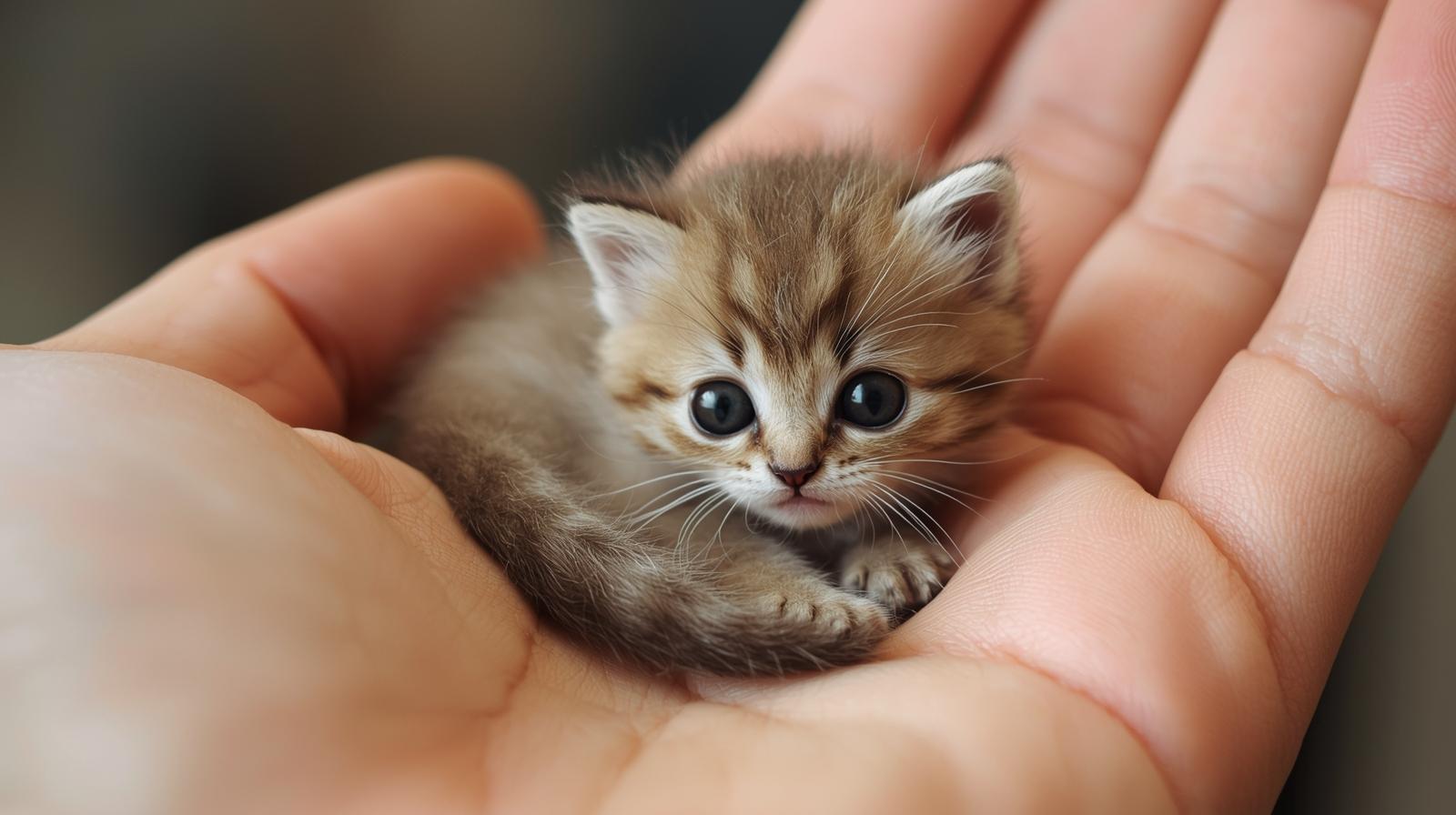
While I was pretty sure that law enforcement would not allow found footage of a crime to be marketed as big screen entertainment (at least not until the crime was solved), I can’t congratulate myself too loudly for my super smarts. Around the turn of the century, I saw a photo of a tiny cat standing on a person’s hand. So smol. So teeny. About the size of a walnut. My heart wanted to believe! My heart belonged to the tiny furball! It was a photograph, so it must be real! I was filled with willing suspension of disbelief! But, I’ve never seen a cat this little. I possessed a sliver of doubt. I showed this photo to my husband, who is remarkably devoid of sentiment regarding incredibly miniscule cats, and he patiently explained what photoshop was. My heart was broken, but the truth is healthy. It is good to dream of ittle wittle kitties, but it is good to understand they are not real.
It was just a harmless, cute cat picture, but imagine if I’d been tricked by a “rage-bait” article, posing as responsible news? My desire to pet itsy-bitsy animals was targeted, but what if it had been my inherent racial biases or my internalized misogyny? Why on earth do rage-bait articles and photos get posted on your social media feed anyhow? They certainly aren’t cute or uplifting pieces of information. They aren’t even pieces of information. They are exaggerations or fabrications that might cause us to mistreat real people.
Rage-bait articles are just one of the ways social media platforms keep you scrolling. The more emotional you feel, the more engaged you are, the more likely you are to spend more time on social media. You are making money for those companies by viewing ads. The longer you stay, the richer you make them. Is this ethical of them? It is not. Are you surprised that the richest individuals on planet earth behave unethically? Do you feel silly for spending so much time engaging with fabrications meant to upset you in order to make ultra-rich people richer?
Now you are ready to ditch your device in the trash for what it has done to your mind! Sorry, not sorry. A little break might be nice for you. Go touch grass. No, seriously. Take a walk, make a garden, go bird watching. Nature is healing. It's as though time spent in nature is the antidote to social media. It[s excellent for mental health, physical health, creative thought, and improved sleep. While you are on your social media break, consider doing some crafts or meeting up with friends. Hey, you could even gather some pals at the park and knit scarves together to really optimize your mental wellness!
When you return to social media (you will, you know it), bring awareness with you. Constant vigilance is necessary but exhausting, so you’ll want to give yourself frequent breaks away from your screen to recharge. Know the who behind every what. As a writer, your mind is your most important “muscle.” Scrolling social media can give you amazing “aha” moments that feel like genuine discovery and creative thinking, but Jolly Ranchers taste like real fruit. Just saying.
References for Further Reading
